
Solid Wood vs. Veneer in Boat Hulls: Why Durability Matters for Exterior Applications
Veneer consists of thin slices of real wood bonded to a substrate, a technique with a long and fascinating history. However, for a boat owner, the integrity of the hull is paramount. The wrong material choice can lead to endless repairs, while the right one ensures years of safe service. Boat building has long relied on wood for its natural beauty and buoyancy, but not all wood is suited for every job—especially in the demanding conditions of a marine environment.
In exterior applications like hulls, where constant exposure to water, impacts, and weathering is inevitable, the choice between solid wood, marine plywood, and veneer is what makes or breaks a vessel’s longevity. This article delves into the pros and cons of solid wood and marine plywood for boat exteriors, while highlighting veneer’s ideal role in protected interior settings. Understanding these differences ensures you select materials that prioritize durability without sacrificing aesthetics.
The Role of Solid Wood in Boat Hulls
Solid wood, such as teak, oak, or mahogany, is the traditionalist’s choice for hulls, prized for its strength and natural rot resistance.
-
Advantages of Solid Wood:
Its primary advantage is structural integrity. Solid wood provides excellent load-bearing capacity, ideal for withstanding the stresses of waves and impacts. Species like teak offer natural water resistance from their inherent oils, which repel moisture and insects. Aesthetically, it delivers a timeless, premium look that ages gracefully with proper care. -
Drawbacks for Exterior Use:
Solid wood is prone to warping and cracking under prolonged exposure to moisture and temperature changes. This movement can compromise the hull’s watertight seal. Maintenance is intensive, requiring regular sealing, varnishing, and inspections to prevent decay. It is also heavy, affecting buoyancy and fuel efficiency, and is often more expensive due to the volume of material needed.
Marine Plywood: A Robust Alternative for Exteriors
For modern builders, marine plywood often emerges as a superior exterior option.
-
Why It’s a Strong Choice:
Composed of multiple layers of wood veneers bonded with waterproof adhesives, it is engineered for stability. Its cross-grain construction minimizes warping and swelling, offering superior resistance to delamination. It is lighter than solid wood yet maintains comparable strength, improving handling and performance. It’s also typically more affordable and easier to source in large sheets. -
Considerations:
It requires high-quality grades (like BS 1088 standard) to ensure void-free cores and durable glues; lower grades can fail prematurely. It may not match the natural beauty of solid wood without additional finishing, and repairs can be more complex if damage penetrates deeply. However, its overall durability for exterior hulls often outweighs these concerns for boats facing heavy use.
Veneer’s Strengths in Protected Interiors
While unsuitable for hulls, veneer is the perfect material for boat interiors where it’s protected from the elements.
-
Veneer’s Strengths in Protected Interiors
While unsuitable for hulls, veneer is the perfect material for boat interiors where it’s protected from the elements.
Ideal Interior Application:
Veneer consists of thin slices of real wood bonded to a stable substrate. It offers the authentic grain and beauty of species like cherry or walnut at a fraction of the weight and cost of solid wood. In cabin paneling and furniture, its thin, flexible layers resist cracking better than thick solid panels. It is highly customizable for intricate designs in confined spaces.Why It Doesn’t Belong on Exteriors:
Veneer’s limitations are stark in exposed areas. Its thin nature makes it vulnerable to dents, scratches, and delamination from constant moisture or physical stress. UV exposure and saltwater can weaken its adhesive bonds over time, leading to peeling.A perfect illustration of this is the traditional Cambridge punt. These vessels do not use veneer in their construction. They are traditionally built with solid, wide planks of wood, and modern versions often use marine-grade plywood for the hull. Veneer is universally avoided as it is simply not durable enough to serve as the exterior surface on a vessel that suffers constant wear from passengers, impacts with punts, and riverbank abrasion. – Traditional Punting Company Cambridge
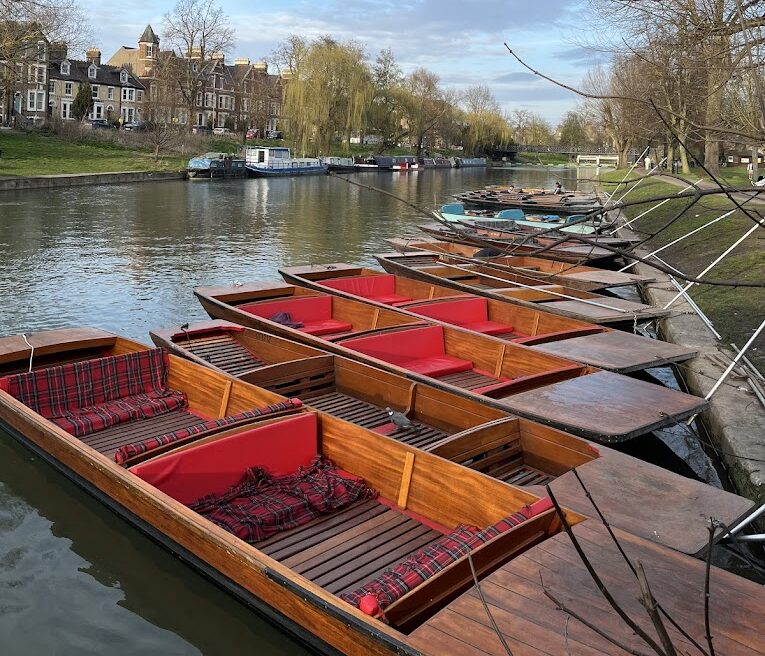
This is why veneer is best reserved for interiors, where it adds elegance without facing the durability demands of the open water.
Why Durability Matters: Making the Right Choice
In boat construction, durability is synonymous with safety, reduced maintenance costs, and reliable performance. Exterior applications demand materials that endure relentless environmental assaults—this is where solid wood’s resilience or marine plywood’s engineered stability prevail.
By contrast, veneer’s efficiency in interiors demonstrates how strategic material selection optimizes both function and form. Always assess your vessel’s specific needs, considering usage frequency and exposure levels, to avoid costly and unsafe repairs down the line.